How to Build a Nutrient-Dense Meal Plan on a Budget
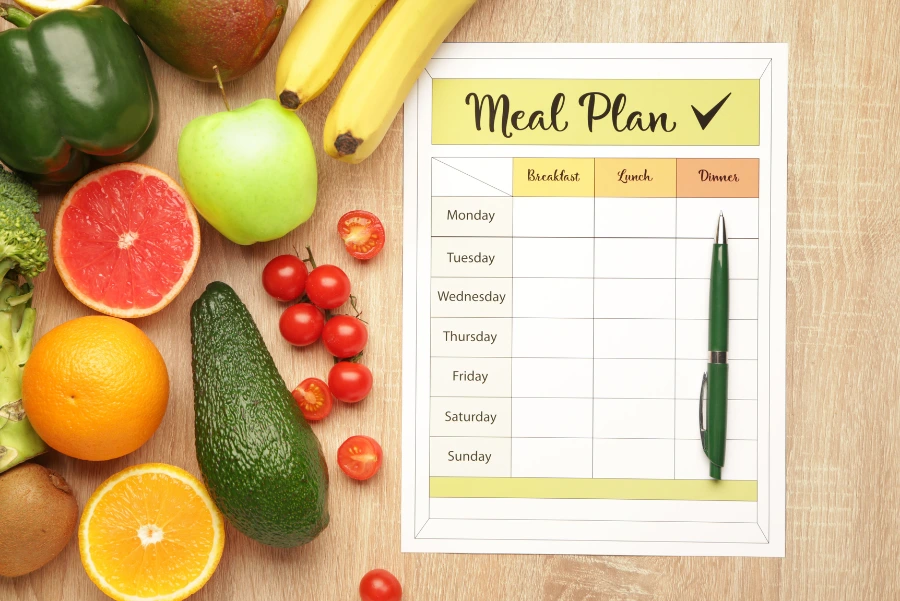
How to Build a Nutrient-Dense Meal Plan on a Budget. It is challenging to eat healthily on a tight budget. Fortunately, that can be entirely attainable with the proper approach. erecting a nutritionally acceptable mess plan that would feed to the consummation of health objects within budget entails planning, smart shopping, and creativity. The composition provides helpful guidelines on erecting a mess plan that’s nutritionally acceptable but cheap.
1. Focus on Whole, Unprocessed Foods
– Why it matters: Whole foods similar as fruits, vegetables, whole grains, spare proteins, and legumes are rich in nutrients and generally less precious than their reused counterparts.
– Budget tip : Buy for goods in their least processed form (as close to nature as possible- whole grains not pre-cooked grains, fresh fruits and vegetables and not firmed feasts). Such details are relatively less expensive and healthier.
– Examples: Brown rice, oats, sap, lentils, fresh vegetables like carrots, spinach, sweet potatoes.
2. Plan Your refections Around Seasonal Produce
– Why it matters: Seasonal fruits and vegetables are n’t only fresher but also bring lower compared to out- of- season yield. The high- quality, nutrient-rich food that you’re going to be eating is therefore going to cost you less money.
– Budget tip: Determine what fruits and vegetables are available during your time of year and center your rections around these details.
– Examples: When summer is approaching, use berries, tomatoes, and zucchini. In the slow seasons, settle for root vegetables such as squash, potatoes, and carrots.
3. Buy in Bulk
– Why it matters: These quantities are not as valuable when purchased in bulk. Among these details are grains, sap, nuts etc. These components have a pretty long shelf- life and can often be applied in a very broad diapason of dishes.
– Buy in bulk and store them by using applicable holders. Waste avoidance is crucial as well. So, purchase vast quantities of these particulars Rice, pasta, oats, sap, quinoa, and lots more.
– Exemplifications: Purchase whole wheat pasta, dried sap, lentils, brown rice, and quinoa in bulk.
Please read also: How to Use Essential Oils for Stress Relief and Relaxation
4. Add Plant- Grounded Protein Sources
– Why it matters Meat is often the priciest item on your grocery list. Nevertheless, plant- based protein products, such as sap, lentils, tofu, and tempeh, are affordable and packed with nutrients.
– Budget tip Make meat a sometimes instead of always food by substituting meat with plant- based protein products several times a week.
– Exemplifications: Lentil stew, black bean tacos, chickpea curry, or tofu stir-fry.
5. Cook in Batches and Use Leftovers
– Why it matters: Cooking in bulk saves time and plutocrat. Big portions can be prorated out for several refections, cutting down on food waste and making sure you have healthy choices all week long.
– Budget tip: Cook and prepare big batches of masses like mists, stews, salvers, or grains. Use watertight holders to store leavings so that they stay fresh for the coming mess.
– Exemplifications: Cook a big pot of vegetable haze or a batch of quinoa and use it for multiple refections.
6. Use firmed Vegetables and Fruits
– Why it matters: firmed vegetables and fruits are often cheaper than their fresh counterparts, but retain their nutritive value. They are also accessible and have a longer shelf life, making them great for mess planning.
– Budget tip: Stock up on frozen veggies like peas, spinach, and mixed vegetables, which can be fluently added to mists, stews, stir- feasts, or salads.
– Exemplifications: firmed broccoli, spinach, berries, and sludge are affordable, nutritional, and protean.
7. Prepare Simple, Nutrient-thick refections
– Why does it matter Simple reflcations generally have less constituents, resulting in lower total cost of grocery stores. Balanced meal can be obtained with the quantity of details to be used only much particulars both nourishing and yet affordable.”.
– Budget Hack Choose your mess ideas easy to prepare, constituents that are protean and can fluently be used up during the course of the week.
– Samples of fashions A mug of whole- grain rice along with sap, cooked vegetables, with a mizzle of olive oil painting is a mess that’s just as healthy yet veritably affordable to make.
8. Use lower Reused and Packaged Foods
– Why it matters: Convenience foods are n’t only precious, but they also frequently warrant the nutrition of whole foods. They are also high in sodium, sugar, and unhealthy fats.
– Budget tip: Limit your purchase ofpre-packaged refections, snacks, or firmed foods and prepare refections from scrape using whole constituents rather.
– Exemplifications: instead of copping pre-cooked salads or microwave oven refections, make your own salads with fresh constituents or batch- chef healthy reections.
9. Use Sauces and Spices to Add Flavor
– Why it matters: Sauces and spices are a veritably affordable way to add flavor to refections without adding calories, sugar, or sodium. They also contain antioxidants and other health benefits.
– Cost- saving advice: Buy dried sauces and spices by the pound, or buy bulk. A pinch goes a long way.
– Exemplifications Garlic, turmeric, cumin, chili greasepaint, oregano- any of these sauces and spices will work in a number of dishes and are affordable enough to make one mess worth changing.
10. Buy with your head- Shop smart and compare prices.
– Why it matters: Fresh yield and other grocery particulars come in different prices every time you visit each store. When shopping from the reduction grocers and planter’s requests, you will probably get out with a higher side by receiving whatever is fresh in season or ready- made masses at reduction.
– Budget tip: Stock on goods based on trade cycles, look for tickets and utilize the programs to earn points at specific locations.
– Examples: Utilize apps to monitor abatements or time your shopping based on daily grocery store sales.











Post Comment