Mastering Stress and Anxiety: Proven Coping Strategies

Mastering Stress and Anxiety: Proven Coping Strategies. Stress and anxiety are some of the most common challenges in moment’s fast world. These are generally due to work pressure, particular issues, or indeed global events. Managing with stress and anxiety is, thus, important to insure one lives a healthier, more balanced life. In this composition, we look at effective managing strategies that can help people navigate through these passions and live a healthier, more balanced life.
Understanding Stress and Anxiety
Stress is the mortal body’s spontaneous response when it perceives peril or issues, which acts as a release for the” fight or flight” response. Although stress in small boluses might be helpful in numerous ways, habitual stress would lead to conditions similar as heart complaint, gastrointestinal diseases, and internal health- related problems.
Anxiety is the feeling of fear or solicitude. It can be mild or extreme. It manifests itself asover-concern for unborn events and results in physical symptoms like rapid-fire twinkle, sweating, and difficulty concentrating.
Managing Strategies That Work
1. Awareness and Contemplation
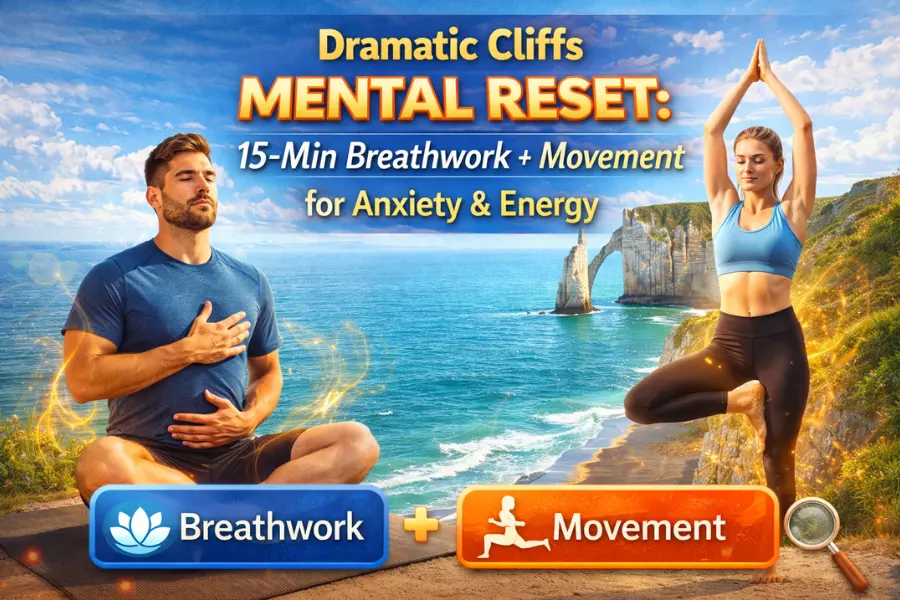
– Rehearsing awareness involves fastening on the present moment and observing studies and passions without judgment. Ways similar as deep breathing, progressive muscle relaxation, and guided imagery can help reduce stress and anxiety.
– Contemplation, a specific awareness practice, has been shown to lower stress situations and ameliorate overall internal health. Regular contemplation can help individualities gain better control over their studies and responses to stressful situations.
2. Physical exertion
– The stylish way to fight stress and anxiety is through regular physical exercise. Exercise releases endorphins, which are natural mood lifters. Walking, jogging, yoga, and cotillion can give both physical and emotional benefits.
– When you find a form of exercise that you enjoy, you’re more likely to be harmonious and make it a part of your diurnal routine.
3. Healthy life Choices
– A balanced diet, acceptable sleep, and minimum consumption of caffeine and alcohol can help appreciatively affect stress and anxiety.
– Nutrient-rich foods similar as fruits, vegetables, spare proteins, and whole grains can give support for overall health and well- being.
Please read also: Unlock Your Inner Zen: Easy Yoga Practices for Newbies
4. Social Support
– Connecting with musketeers and family can give emotional support and a sense of belonging. participating your passions with someone you trust can help palliate stress and anxiety.
– Joining group conditioning, clubs, or support groups can also give you a sense of community and make you feel less insulated.
5. Time Management and Organization
– Time and organizational operation would reduce stress. Structure and sense of control could be deduced through this system, which is one way of managing to do effects, from creating a list of to- do’s to making precedences and dividing tasks into step- by- step bones
.
– Do n’t procrastinate; rather, set attainable pretensions that could maximize productivity and further reduce stress.
6. Professional Help
– Professional remedy by a therapist or counselor can really prove helpful and for particular requirements, people can be helped. A CBT or other remedial interventions will help in understanding and managing stress and anxiety.
– Indeed specifics may prove helpful under the guidance of a croaker in case of severe anxiety or stress- related diseases.
7. Pursuits and Creative Outlets
– Pursuits and creative conditioning can be a healthy distraction and source of accomplishment. oil, gardening, jotting, or playing an instrument are each good exemplifications of creative outlets that can reduce stress and promote relaxation.
– Discovering new interests and heartstrings can also give a fresh perspective and enhance overall well- being.
8. Relaxation ways
-Deep breathing exercise, progressive muscle relaxation, and visualization are ways to relax the mind and body.
-Aromatherapy, harkening to soft music, or other styles to produce a comforting terrain will also reduce stress.











Post Comment